Crafting the Perfect Exterior: A Guide to Ideal Siding
Embark on a journey to discover the world of ideal siding, where different materials and designs come together to elevate the charm and durability of your home. This guide offers valuable insights and practical tips to help you make the best choice for your property.
Types of Ideal Siding
When it comes to choosing the ideal siding for your home, there are several options available, each with its own set of pros and cons. It’s important to consider factors like climate, durability, maintenance requirements, and aesthetic appeal when selecting the right siding material for your property.
Vinyl Siding
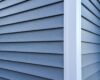
Vinyl siding is a popular choice for many homeowners due to its affordability and low maintenance requirements. It is available in a wide range of colors and styles, making it versatile in terms of aesthetic appeal. However, vinyl siding may not be as durable as other materials and can crack or fade over time, especially in extreme weather conditions.
Wood Siding
Wood siding is known for its natural beauty and timeless appeal. It can add a warm and rustic look to any home. However, wood siding requires regular maintenance, including painting or staining, to prevent rot and insect damage. In humid or rainy climates, wood siding may be prone to mold and mildew growth.
Fiber Cement Siding
Fiber cement siding is a durable and low-maintenance option that can mimic the look of wood or stucco. It is resistant to fire, insects, and rot, making it a popular choice for many homeowners. However, fiber cement siding can be more expensive upfront compared to other materials, and installation may require professional expertise.
Metal Siding
Metal siding, such as aluminum or steel, is known for its durability and resistance to extreme weather conditions. It is also low maintenance and can last for many years without needing to be replaced. However, metal siding may dent or scratch easily, and some homeowners may not prefer the industrial look it provides.
Factors to Consider When Choosing Siding
When selecting siding for your home, it’s essential to consider various factors to ensure you make the right choice. Factors such as climate, budget, maintenance requirements, and architectural style play a crucial role in determining the most suitable siding material for your property.
Additionally, focusing on energy efficiency and insulation properties can help you make a more informed decision. Choosing colors and textures that complement your home’s overall look is also important to enhance its curb appeal.
Assessing Climate, Budget, Maintenance, and Architectural Style
- Climate: Consider the weather conditions in your area to choose a siding material that can withstand elements like rain, snow, and extreme temperatures.
- Budget: Determine how much you’re willing to spend on siding installation and maintenance to narrow down your options.
- Maintenance: Evaluate the level of maintenance required for different siding materials and choose one that fits your maintenance capabilities.
- Architectural Style: Select a siding material that complements the architectural style of your home to maintain its aesthetic appeal.
Importance of Energy Efficiency and Insulation Properties
- Energy Efficiency: Opt for siding materials that offer good insulation to improve the energy efficiency of your home and reduce heating and cooling costs.
- Insulation Properties: Look for siding materials with high R-values to ensure better thermal performance and comfort inside your home.
Choosing Colors and Textures
- Colors: Select colors that harmonize with your home’s exterior paint color, roof, and landscaping to create a cohesive look.
- Textures: Consider the texture of siding materials and choose one that adds visual interest and enhances the overall appearance of your home.
Installation and Maintenance Tips
Proper installation and regular maintenance are essential for ensuring the longevity and durability of siding materials. Here, we will discuss the steps involved in installing siding correctly and share maintenance tips to keep your siding in top condition.
Installation Process
- Preparation: Before installing siding, ensure that the surface is clean, dry, and free of any debris. Remove old siding if necessary and repair any damaged areas.
- Underlayment: Install a weather-resistant barrier or underlayment to protect the structure from moisture and water infiltration. This will help prevent issues like rot and mold.
- Finishing: Properly secure the siding according to the manufacturer’s guidelines. Pay attention to detail and ensure that all pieces fit together seamlessly for a professional finish.
Maintenance Practices
- Regular Cleaning: Clean your siding periodically to remove dirt, grime, and mildew. Use a mild detergent and a soft brush to avoid damaging the surface.
- Inspect for Damage: Regularly inspect your siding for any signs of damage, such as cracks, warping, or loose pieces. Address any issues promptly to prevent further damage.
- Preventative Measures: Trim trees and bushes near your siding to prevent damage from branches rubbing against the surface. Ensure proper drainage to prevent water from accumulating and causing moisture-related issues.
Enhancing Curb Appeal with Siding
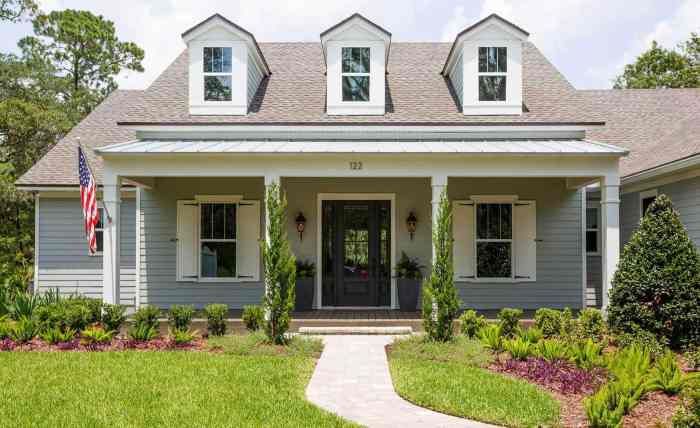
When it comes to enhancing the curb appeal of a home, siding plays a crucial role in creating a visually appealing exterior. Different siding materials offer unique characteristics that can elevate the overall look of a house.
Utilizing Siding Patterns, Textures, and Colors
One way to enhance curb appeal with siding is by creatively using patterns, textures, and colors. For example, mixing different siding materials like stone, wood, and vinyl can create a dynamic and visually interesting facade. Consider combining horizontal and vertical siding for added depth and dimension.
- Experiment with bold colors to make a statement or choose neutral tones for a classic look.
- Utilize siding patterns such as board and batten, shiplap, or shake to add visual interest and architectural detail.
- Texture can also play a significant role – consider options like smooth, rough-sawn, or embossed textures to create contrast and depth.
Combining Siding with Other Exterior Elements
To achieve a cohesive and well-designed exterior, it’s important to integrate siding with other elements of the home’s facade. Here are some examples:
|
1. Trim and Accents Pairing siding with complementary trim and accents can enhance the overall look of the house. |
|
2. Roofing Consider how the color and material of the roof interact with the siding for a harmonious appearance. |
|
3. Landscaping Incorporate landscaping elements that complement the siding, such as planters, hedges, or decorative stones. |
Last Recap
In conclusion, ideal siding is not just about aesthetics but also about functionality and longevity. By understanding the various types, factors to consider, installation tips, and ways to enhance curb appeal, you can transform your home into a masterpiece that stands the test of time.
FAQ Resource
What are the most suitable siding materials for a humid climate?
Vinyl and fiber cement are excellent choices as they are resistant to moisture and mold.
How can I prevent warping in wooden siding?
Ensure proper sealing and regular maintenance to prevent moisture absorption.
Is metal siding a good option for energy efficiency?
Metal siding can be energy-efficient when properly insulated and installed.