Exploring Shou Sugi Ban Siding for Sale
Diving into the world of shou sugi ban siding for sale, this introduction sets the stage for an intriguing exploration of this unique Japanese technique. From its rich history to the various types available, readers are in for a fascinating journey through the art of Shou Sugi Ban.
Exploring the different wood types, finishes, and pricing factors will shed light on what makes Shou Sugi Ban siding a sought-after choice for many homeowners and designers alike.
Overview of Shou Sugi Ban Siding
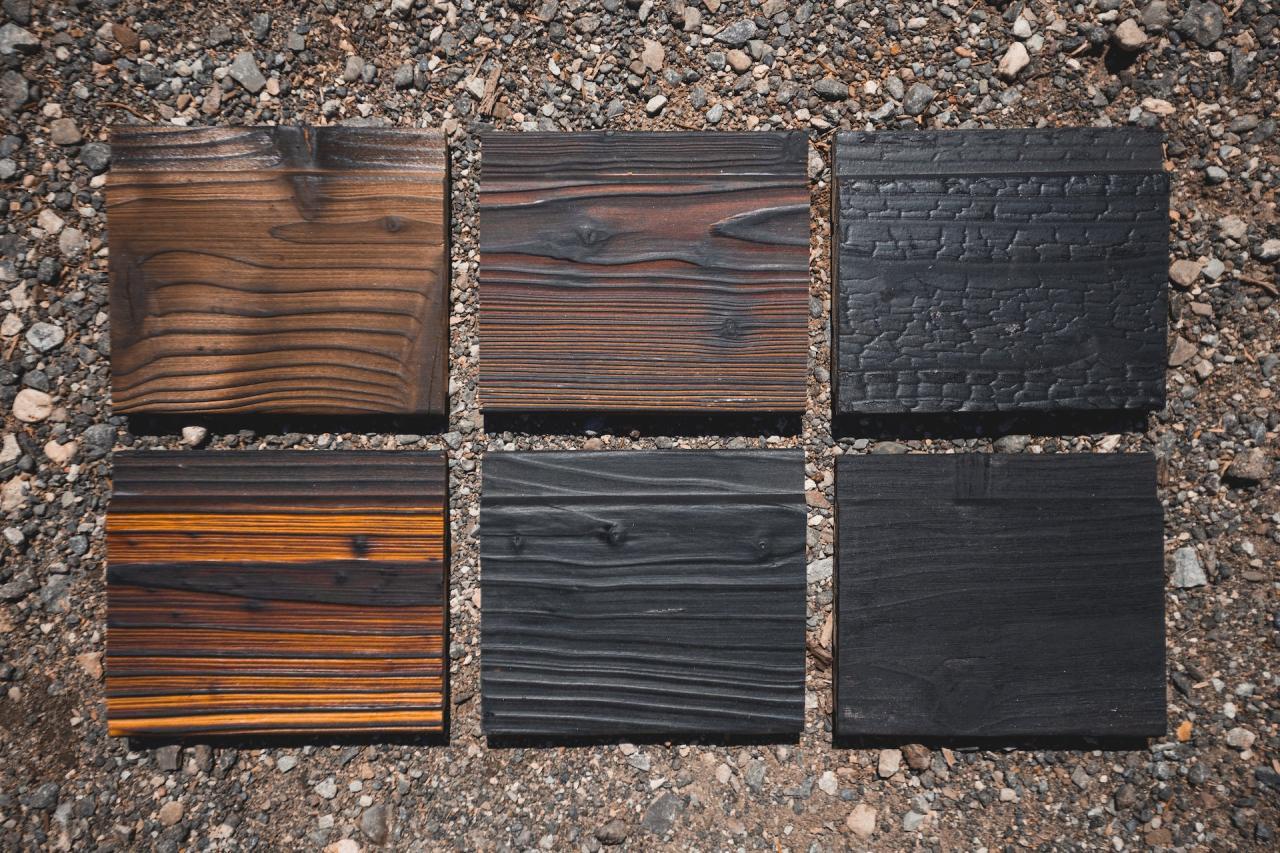
Shou Sugi Ban siding is a traditional Japanese technique that involves charring cypress wood to enhance its durability and aesthetic appeal. This ancient practice has gained popularity in modern architecture for its unique look and sustainable properties.
History and Origin of Shou Sugi Ban
Shou Sugi Ban, also known as Yakisugi, dates back to the 18th century in Japan. It was initially used as a way to protect wooden structures from fire, pests, and rot. The charring process not only increased the wood’s resistance to these elements but also created a striking blackened finish.
Traditional Technique of Creating Shou Sugi Ban Siding
To create Shou Sugi Ban siding, cypress wood is carefully charred using a controlled flame. The wood is then cooled, cleaned, and finished to enhance its texture and appearance. This meticulous process results in a beautiful and durable siding material that can last for decades.
Benefits and Unique Characteristics of Shou Sugi Ban Siding
Enhanced Durability
The charring process makes the wood more resistant to fire, pests, and decay.
Distinctive Aesthetic
The blackened finish of Shou Sugi Ban siding adds a unique and modern look to any building.
Low Maintenance
Due to its natural resistance, Shou Sugi Ban siding requires minimal upkeep over the years.
Sustainable Choice
Using cypress wood and traditional techniques makes Shou Sugi Ban siding an eco-friendly option for exterior cladding.
Types of Shou Sugi Ban Siding for Sale
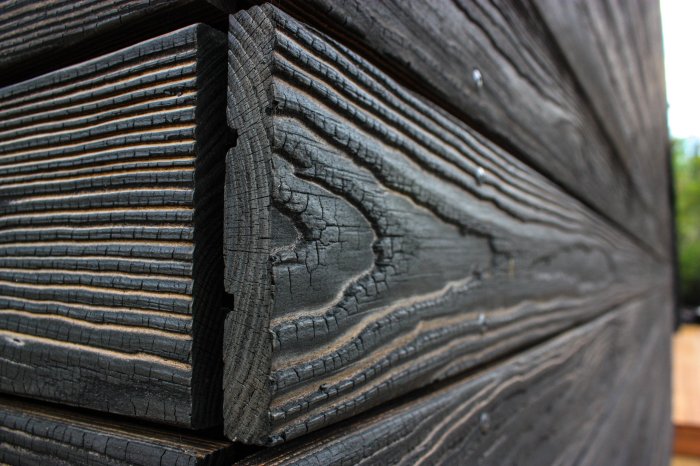
When it comes to Shou Sugi Ban siding, there are various types of wood and finishes available that can impact both the appearance and price of the siding.
Types of Wood
- Cedar: Cedar is a popular choice for Shou Sugi Ban siding due to its natural resistance to rot and insects.
- Cypress: Cypress is another durable wood option that is commonly used for Shou Sugi Ban siding.
- Pine: Pine is a more affordable option for Shou Sugi Ban siding, but it may not be as durable as cedar or cypress.
Finishes and Textures
- Charred Finish: The traditional charred finish of Shou Sugi Ban siding creates a striking dark appearance.
- Brushed Finish: A brushed finish can enhance the wood grain and create a more textured look.
- Oiled Finish: An oiled finish can add protection and deepen the color of the wood.
Impact on Price
The type of wood used for Shou Sugi Ban siding, as well as the finish applied, can significantly impact the price. Cedar and cypress are often more expensive due to their durability and natural properties. Additionally, more intricate finishes or textures may also increase the cost of the siding.
It’s important to consider both the aesthetic appeal and the budget when choosing the right type of Shou Sugi Ban siding for your project.
Pricing and Cost Factors
When it comes to Shou Sugi Ban siding, the cost can vary depending on several factors that influence pricing. Let’s take a closer look at what determines the cost of Shou Sugi Ban siding and break down the average pricing along with any additional costs or considerations.
Factors Influencing Cost
- The type of wood used: Different wood species can impact the cost of Shou Sugi Ban siding. Exotic or premium woods may be more expensive.
- Size and thickness: The dimensions and thickness of the siding can affect the overall cost, with larger or thicker boards typically costing more.
- Finish and treatment: The level of char and finish applied to the wood can influence pricing, with more intricate or custom finishes costing more.
- Supplier and location: The supplier you choose and your location can also impact the cost of Shou Sugi Ban siding due to shipping and handling fees.
Average Pricing for Shou Sugi Ban Siding
| Wood Type | Average Price per Square Foot |
|---|---|
| Cedar | $7
|
| Douglas Fir | $8
|
| Redwood | $10
|
Additional Costs and Considerations
- Installation: Factor in the cost of installation when purchasing Shou Sugi Ban siding, as professional installation may be required.
- Maintenance: Consider the long-term maintenance costs associated with Shou Sugi Ban siding, such as resealing or refinishing over time.
- Accessories and trim: Don’t forget to budget for any additional accessories or trim pieces needed to complete the look of your siding project.
Where to Buy Shou Sugi Ban Siding
When looking to purchase Shou Sugi Ban siding, it is essential to find reputable suppliers or manufacturers to ensure quality and authenticity. Below, we will explore the options of buying from online retailers versus local suppliers and discuss the benefits of purchasing directly from a manufacturer.
Reputable Suppliers of Shou Sugi Ban Siding
It is crucial to source Shou Sugi Ban siding from reputable suppliers or manufacturers to guarantee the authenticity and quality of the product. Some well-known suppliers in the market include:
- Delta Millworks: Known for their high-quality Shou Sugi Ban siding options.
- Resawn Timber Co.: Offers a variety of finishes and styles for Shou Sugi Ban siding.
- Exterior Solutions Ltd: Specializes in sustainable and durable Shou Sugi Ban products.
Online Retailers vs. Local Suppliers
When deciding where to buy Shou Sugi Ban siding, you may choose between online retailers and local suppliers. Here are some considerations for each:
- Online Retailers:Online retailers offer convenience and a wide selection of products. However, it is essential to research the credibility of the retailer and read reviews from previous customers to ensure the quality of the siding.
- Local Suppliers:Buying from local suppliers allows for easier communication, potential customization options, and the ability to inspect the siding in person before purchasing. Local suppliers may also provide quicker delivery times.
Benefits of Buying Directly from a Manufacturer
Opting to purchase Shou Sugi Ban siding directly from a manufacturer can offer several benefits, including:
- Quality Assurance: Buying directly from a manufacturer ensures that you are getting the authentic product with guaranteed quality.
- Customization Options: Manufacturers may offer customization options to tailor the siding to your specific requirements or design preferences.
- Cost Savings: Eliminating the middleman by buying directly from the manufacturer can potentially result in cost savings due to reduced markups.
Final Summary
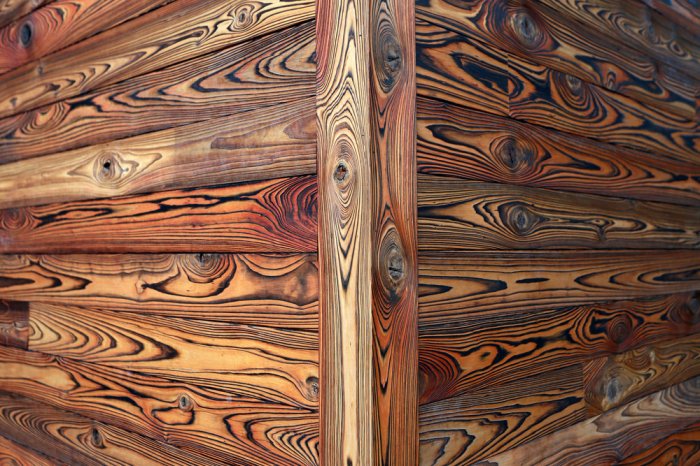
In conclusion, the allure of Shou Sugi Ban siding lies in its timeless elegance and durability, making it a standout option for those seeking a blend of tradition and modernity in their living spaces. Dive into the world of Shou Sugi Ban siding and transform your home with this exquisite Japanese craft.
Questions Often Asked
What are the benefits of Shou Sugi Ban siding?
Shou Sugi Ban siding is not only visually striking but also highly resistant to fire, rot, and pests, making it a durable and low-maintenance option for exterior cladding.
Where can I purchase Shou Sugi Ban siding?
You can find reputable suppliers and manufacturers online or at local retailers specializing in wood products. It’s advisable to compare prices and quality before making a purchase.
How does the type of wood impact the price of Shou Sugi Ban siding?
The type of wood used can significantly affect the cost of Shou Sugi Ban siding, with more exotic or rare wood species usually commanding higher prices due to their uniqueness and availability.