Exploring Composite Home Siding Options: A Comprehensive Guide
Diving into the world of composite home siding options, this introduction sets the stage for a detailed exploration of different materials, installation processes, maintenance tips, and cost considerations. Get ready to uncover the secrets behind choosing the best siding for your home!
Types of Composite Home Siding
Composite home siding offers a variety of options for homeowners looking for a durable and low-maintenance material to protect their homes. Unlike traditional materials like wood or vinyl, composite siding is made from a combination of materials such as wood fibers, plastic, and cement.
This blend creates a strong, weather-resistant product that mimics the look of natural wood without the maintenance requirements.
Fiber Cement Siding
Fiber cement siding is a popular choice among homeowners due to its strength and durability. Made from a mix of cement, sand, and cellulose fibers, this type of composite siding is resistant to fire, rot, and pests. It also requires minimal maintenance and can be painted to match any exterior color scheme.
Vinyl Composite Siding
Vinyl composite siding is another common option that combines PVC resin with other materials to create a strong and lightweight product. This type of siding is known for its affordability, low maintenance, and resistance to moisture. It comes in a wide range of colors and styles to suit any home design.
Engineered Wood Siding
Engineered wood siding is a composite material made from wood fibers and resin, offering the natural beauty of wood with added durability and resistance to decay. This type of siding can be painted or stained to achieve a custom look while providing excellent protection against the elements.
Benefits of Composite Siding
- Low maintenance requirements
- Durable and long-lasting
- Resistant to rot, pests, and fire
- Wide range of styles and colors
- Environmentally friendly options available
Installation Process
When it comes to installing composite home siding, there are several general steps involved in the process. It is essential to follow these steps carefully to ensure a proper and durable installation of the siding on your home. Additionally, specific tools and techniques are required for installing composite siding, and there are common challenges that homeowners may encounter during the installation process.
Preparation and Planning
Before beginning the installation of composite home siding, it is crucial to properly prepare and plan the project. This includes measuring the area where the siding will be installed, ordering the correct amount of siding materials, and ensuring that you have all the necessary tools and equipment for the job.
Make sure to carefully read the manufacturer’s instructions and guidelines for installing the specific type of composite siding you have purchased.
Tools and Techniques
Some of the tools and equipment that may be required for installing composite home siding include a saw for cutting the siding to size, a level for ensuring that the siding is installed straight and even, a hammer or nail gun for securing the siding in place, and a tape measure for accurate measurements.
Additionally, techniques such as properly overlapping the siding panels, ensuring adequate ventilation behind the siding, and using the correct fasteners are essential for a successful installation.
Common Challenges and Solutions
During the installation process, homeowners may encounter challenges such as uneven walls, warped siding panels, or difficulty aligning the panels properly. To overcome these challenges, it is important to carefully inspect the walls before installation, make any necessary repairs or adjustments, and take your time to ensure that the siding panels are installed correctly.
In some cases, it may be beneficial to seek the assistance of a professional contractor to ensure a smooth and successful installation process.
Maintenance and Care
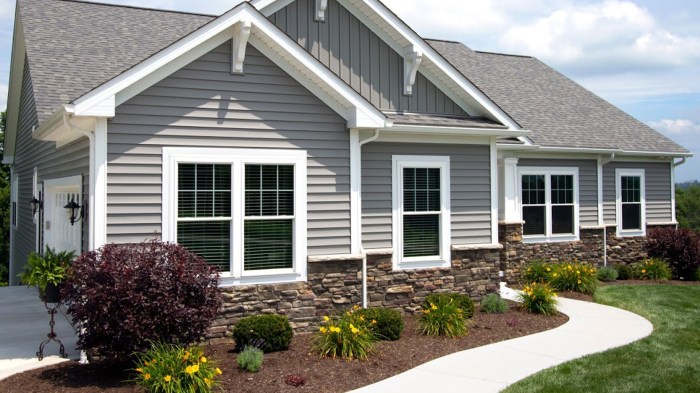
Proper maintenance is essential to ensure the longevity and aesthetic appeal of composite home siding. By following these tips, you can keep your siding looking great for years to come.
Cleaning and Care Tips
Regular cleaning is key to maintaining composite siding. Here are some tips to help you keep it in top condition:
- Use a mild detergent and water solution to gently scrub the siding, removing any dirt or grime that has accumulated.
- Rinse the siding thoroughly with a garden hose to remove all soap residue.
- Avoid using harsh chemicals or abrasive cleaners, as these can damage the surface of the siding.
- Inspect the siding regularly for any signs of damage, such as cracks or chips, and repair them promptly to prevent further issues.
Special Considerations
While composite siding is relatively low-maintenance, there are some special considerations to keep in mind:
- Consider applying a protective coating to the siding to help prolong its lifespan and protect it from the elements.
- Trim back any trees or shrubs that may be in contact with the siding to prevent damage from branches or leaves.
- During extreme weather conditions, such as heavy rain or snow, check the siding for any signs of water damage and address them immediately.
Cost Comparison
When it comes to the cost of home siding, composite siding offers a competitive price point compared to other popular siding materials on the market. Factors such as material quality, installation complexity, and the size of the project can all influence the overall cost of installing composite siding.
Let’s delve deeper into the cost considerations and long-term cost-effectiveness of choosing composite siding for your home.
Factors Influencing Cost
- Material Quality: The quality of the composite siding material can greatly impact the cost. Higher quality materials may come at a premium price but offer better durability and longevity.
- Installation Complexity: The complexity of the installation process, such as the need for additional preparation work or intricate designs, can add to the overall cost of installing composite siding.
- Project Size: The size of the project, in terms of the square footage of the home, will directly impact the total cost of materials and labor required for installation.
Long-term Cost-effectiveness
While composite siding may have a higher initial cost compared to some traditional siding materials, it is often more cost-effective in the long run due to its low maintenance requirements and durability. With minimal upkeep and repairs needed over time, composite siding can provide significant savings in maintenance costs.
Durability and Weather Resistance
Composite home siding is known for its exceptional durability and weather resistance, making it a popular choice for homeowners looking for long-lasting exterior protection. In various weather conditions, composite siding has proven to be reliable and sturdy, providing a shield against the elements.
Resistance to Moisture, Rot, and Pests
Composite siding is designed to be highly resistant to moisture, preventing issues like rot and mold growth. Unlike traditional wood siding, composite materials do not absorb water, making them less susceptible to deterioration over time. This moisture resistance also helps in preventing pests like termites from causing damage to the siding.
Real-World Scenarios
In regions with extreme weather conditions, such as coastal areas with high humidity or areas prone to heavy rainfall, composite siding has demonstrated its ability to withstand the elements without warping or rotting. Additionally, in dry and arid climates, composite siding remains stable and does not crack or split, maintaining its structural integrity over time.
Homeowners in various locations have reported minimal maintenance requirements and long-term durability when choosing composite siding for their homes.
Conclusive Thoughts
As we conclude this discussion on composite home siding options, remember that the right choice can transform not just the look but also the longevity of your home. Make an informed decision based on your needs, budget, and the climate of your area to ensure a durable and aesthetically pleasing exterior for years to come.
Top FAQs
How does composite siding compare to traditional materials?
Composite siding offers enhanced durability, minimal maintenance, and a wide range of design options compared to traditional materials like wood or vinyl.
What tools are needed for installing composite home siding?
Basic tools such as a saw, hammer, level, and measuring tape are essential for installing composite siding. Additionally, a nail gun and safety gear may be required for efficiency and safety.
How often should composite siding be cleaned and maintained?
Composite siding should be cleaned at least once a year with a mild soap and water solution to remove dirt and grime. Regular inspections for any signs of damage or wear are recommended to maintain its longevity.
Is composite home siding resistant to pests and rot?
Composite siding is inherently resistant to pests, rot, and moisture, making it a durable choice for homes in various weather conditions.
Can composite siding be painted or customized?
Some composite siding options can be painted or customized to match your home’s aesthetic. However, it’s essential to follow manufacturer guidelines to ensure proper adhesion and longevity of the finish.