Cost to Replace Vinyl Siding Corner: Factors, Steps, DIY vs. Professional, and Money-Saving Tips
Exploring the cost to replace vinyl siding corners involves delving into various factors that influence the overall expenses. From the size of the corner to material quality and labor costs, each element plays a crucial role in determining the final price.
Understanding the steps involved in the replacement process, comparing DIY versus hiring a professional, and learning money-saving tips can help make informed decisions when tackling this project.
Factors Affecting Cost to Replace Vinyl Siding Corner
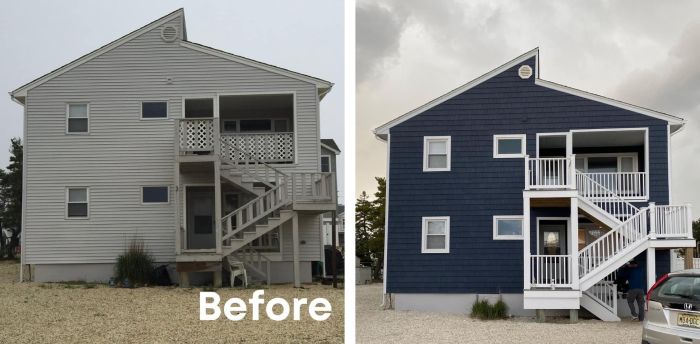
When it comes to replacing vinyl siding corners, several factors play a significant role in determining the overall cost. Understanding these factors can help homeowners better prepare for the expense and make informed decisions.
Size of the Corner
The size of the corner to be replaced directly impacts the cost of the project. Larger corners will require more materials and labor, resulting in a higher overall cost. Additionally, complex corner designs may require more intricate installation, further increasing the expenses.
Material Quality
The quality of the vinyl siding material chosen for replacement can also affect the cost. Higher quality materials may come at a premium price, but they often offer better durability and longevity. While opting for lower-quality materials may reduce initial costs, homeowners may end up spending more on repairs and replacements in the long run.
Labor Costs
Labor costs play a significant role in the total expense of replacing vinyl siding corners. The complexity of the corner design, the skill level of the installers, and the time required for installation can all impact labor costs. Hiring experienced professionals may come at a higher price but can ensure a quality installation that lasts.
Additional Factors
Several other factors can influence the cost of replacing vinyl siding corners. These include the location of the corner, accessibility issues, any underlying damage that needs to be addressed, and the need for additional trim or finishing touches. Homeowners should consider these factors when budgeting for the project to avoid unexpected expenses.
Steps Involved in Replacing Vinyl Siding Corner
When it comes to replacing vinyl siding corners, there are several important steps to follow to ensure a successful and professional-looking outcome.
Preparation Steps
Before beginning the replacement process, make sure to gather all necessary tools and materials, including a utility knife, tape measure, replacement siding pieces, and a nail gun. It’s also essential to ensure safety by using protective gear such as gloves and goggles.
Removing the Existing Damaged Corner
Start by carefully removing the damaged vinyl siding corner using a utility knife to cut through the caulking and nails holding it in place. Be gentle to avoid damaging the surrounding siding pieces. Once the corner piece is removed, inspect the underlying structure for any damage that may need to be repaired before installing the new siding.
Measuring and Cutting the New Vinyl Siding
Accurately measure the dimensions of the space where the new corner siding will be placed. Use these measurements to cut the replacement siding piece to the correct size using a tape measure and a sharp utility knife. Make sure the cut is precise to ensure a seamless fit with the existing siding.
Installation Process and Finishing Touches
Carefully position the new vinyl siding corner piece in place, ensuring it aligns properly with the surrounding siding. Secure it by nailing it into the underlying structure, making sure to drive the nails flush with the surface. Finally, apply a bead of exterior-grade caulk along the edges of the new corner piece to seal it and provide a finished look.
Step back and inspect the replacement corner to ensure it blends seamlessly with the rest of the siding for a professional finish.
Cost Comparison
When considering the cost of replacing vinyl siding corners, it’s crucial to weigh the options between tackling the project yourself or hiring a professional. Let’s delve into the financial aspects of both choices to help you make an informed decision.
DIY Replacement
Opting for a do-it-yourself approach means you’ll need to purchase the necessary materials for the replacement. This typically includes vinyl siding pieces, corner caps, fasteners, and any tools required for the job. While you may save on labor costs by doing it yourself, there are several factors to consider.
- Pros of DIY Replacement:
- Cost savings on labor charges.
- Flexibility in scheduling the project.
- Cons of DIY Replacement:
- Potential for mistakes that could lead to additional expenses.
- Time-consuming process for those with limited experience.
Hiring a Professional
On the other hand, enlisting the services of a professional contractor for the vinyl siding corner replacement comes with its own set of financial considerations.
- Pros of Hiring a Professional:
- Expertise and experience in completing the job efficiently.
- Potential warranty on the work done.
- Cons of Hiring a Professional:
- Higher upfront cost due to labor charges.
- Less flexibility in project scheduling.
Tips for Saving Money on Vinyl Siding Corner Replacement

When it comes to replacing vinyl siding corners, there are several strategies you can employ to save money. From finding affordable materials to reducing labor costs, here are some tips to help you minimize expenses during the replacement process.
Finding Affordable Vinyl Siding Materials
One way to save money on vinyl siding corner replacement is by shopping around for affordable materials. Consider looking for sales, discounts, or clearance items at local home improvement stores. You can also explore online retailers or wholesalers for bulk discounts on vinyl siding materials.
Reducing Labor Costs
To reduce labor costs, you can consider doing some of the work yourself. While it’s essential to hire professionals for certain aspects of the replacement process, such as cutting and installing the vinyl siding, you can assist with tasks like removing the old siding or cleaning up the job site to save on labor expenses.
Negotiating with Contractors
When hiring contractors for the vinyl siding corner replacement, don’t hesitate to negotiate the overall cost. Obtain quotes from multiple contractors and compare their pricing and services. You can also ask if there are any discounts or promotions available, especially if you’re getting multiple areas of your home resided.
DIY Techniques
If you’re comfortable with DIY projects, consider tackling some aspects of the replacement process yourself. You can save on labor costs by removing the old siding, preparing the area for installation, or painting the new siding after it’s been installed.
Just make sure you have the necessary skills and tools to complete the tasks safely and effectively.
Epilogue
In conclusion, navigating the cost to replace vinyl siding corners requires careful consideration of multiple factors. By following the Artikeld steps, weighing the pros and cons of DIY versus professional assistance, and implementing money-saving strategies, homeowners can effectively manage the expenses associated with this renovation project.
FAQ
How does the size of the corner affect the replacement cost?
The larger the corner, the more materials and labor are typically required, leading to higher replacement costs.
What are some strategies for finding affordable vinyl siding materials?
Researching discounts, buying in bulk, and comparing prices from different suppliers can help in finding cost-effective vinyl siding materials.
Is DIY replacement always more cost-effective than hiring a professional?
While DIY replacement can save on labor costs, hiring a professional ensures proper installation and may be more cost-effective in the long run for complex projects.