Choosing the Right Exterior Siding Material: A Comprehensive Guide
When it comes to enhancing the look and functionality of your home, the exterior siding material plays a crucial role. From classic wood to modern vinyl, each material brings its unique set of advantages and considerations. Let’s dive into the world of exterior siding materials to explore the options and factors to consider for your next home improvement project.
Types of Exterior Siding Materials
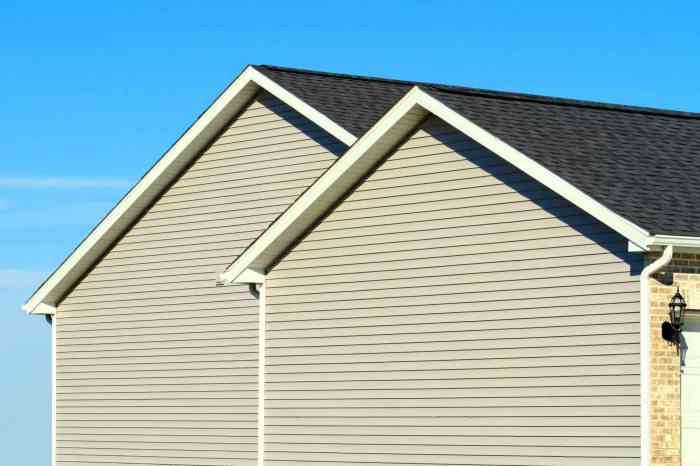
When it comes to choosing exterior siding materials for your home, there are various options available, each with its own set of pros and cons. Here, we will discuss five different types of exterior siding materials, comparing the durability of wood siding versus vinyl siding, and exploring the aesthetic appeal of stone siding.
1. Vinyl Siding
Vinyl siding is a popular choice due to its affordability and low maintenance requirements. It is available in a wide range of colors and styles, making it versatile for different home designs. However, vinyl siding may crack or fade over time, and it is not as environmentally friendly as other options.
2. Wood Siding
Wood siding offers a classic and natural look that many homeowners appreciate. It can be painted or stained in various colors to suit your preference. While wood siding is durable and can last for many years with proper maintenance, it requires regular upkeep to prevent rot, pests, and weather damage.
3. Fiber Cement Siding
Fiber cement siding is known for its durability and resistance to fire, rot, and pests. It can mimic the look of wood or masonry at a lower cost. However, installation can be more labor-intensive, and the material is heavy, requiring professional installation.
4. Metal Siding
Metal siding, such as aluminum or steel, is highly durable and resistant to fire, rot, and pests. It is low maintenance and can last for decades. However, metal siding may dent easily and can be prone to rust if not properly treated.
5. Stone Siding
Stone siding offers a luxurious and elegant look to homes, enhancing curb appeal. It is highly durable and resistant to weather damage, providing long-lasting protection. However, stone siding is one of the more expensive options and requires professional installation due to its weight.
Comparison: Wood Siding vs. Vinyl Siding
When comparing the durability of wood siding versus vinyl siding, wood siding typically requires more maintenance to prevent issues like rot and pests. Vinyl siding, on the other hand, is low maintenance but may not last as long as wood siding.
Ultimately, the choice between the two depends on your priorities for aesthetics and upkeep.
Aesthetic Appeal of Stone Siding
Stone siding adds a timeless and sophisticated look to homes, creating a luxurious appearance. It can be used to accentuate certain architectural features or cover the entire exterior for a grand effect. The natural textures and colors of stone siding bring a unique charm to any home.
Factors to Consider When Choosing Exterior Siding
When selecting the right exterior siding for your home, there are several important factors to take into consideration. These factors can impact the durability, maintenance, cost, and energy efficiency of the siding material chosen.
Climate Considerations
Different climates require different types of siding materials to withstand weather conditions effectively. For example, in areas with high humidity, vinyl siding may be a better choice as it is resistant to moisture and does not rot. In colder climates, fiber cement siding is more suitable as it can withstand freezing temperatures without cracking or warping.
Maintenance Requirements
Each type of siding material has its own maintenance requirements. For instance, wood siding needs to be repainted or stained regularly to prevent rotting and insect infestations. On the other hand, vinyl siding is low maintenance and only requires occasional cleaning with soap and water to maintain its appearance.
Impact of Cost
The cost of exterior siding can vary significantly depending on the material chosen. While vinyl siding tends to be more affordable upfront, it may require more frequent replacements compared to fiber cement or brick siding, which have higher initial costs but lower maintenance costs in the long run.
Importance of Energy Efficiency
Energy-efficient siding can help reduce heating and cooling costs by providing better insulation for your home. Materials like insulated vinyl siding or fiber cement siding with added insulation can improve the energy efficiency of your home, leading to lower energy bills and a more comfortable living environment.
Installation Process of Exterior Siding
When it comes to installing exterior siding, there are several key steps to follow to ensure a successful and durable outcome. Proper installation is crucial for the overall performance and longevity of the siding, so it’s important to pay attention to detail throughout the process.
General Steps Involved in Installing Exterior Siding
- Prepare the surface: Make sure the exterior surface is clean, smooth, and free of any debris or damage before starting the installation.
- Install the underlayment: Depending on the type of siding material, you may need to install a moisture barrier or insulation board to protect against water damage and improve energy efficiency.
- Cut and fit the siding: Measure and cut the siding panels to fit the dimensions of the wall, ensuring a snug and secure fit.
- Secure the siding: Use the appropriate fasteners to attach the siding panels to the wall, following the manufacturer’s guidelines for spacing and placement.
- Finish the corners and edges: Install corner trim pieces and flashing to provide a clean and polished look, as well as to protect against water infiltration.
Tools Required for Siding Installation
- Hammer or nail gun
- Tape measure
- Circular saw or siding cutter
- Level
- Caulk gun
- Siding removal tool
Role of Insulation When Installing Siding
Proper insulation is essential when installing exterior siding to improve energy efficiency and protect against moisture damage. Insulation helps regulate the temperature inside the home and can reduce heating and cooling costs.
Tips for Ensuring Proper Ventilation During Siding Installation
- Ensure there is adequate ventilation in the wall cavity to prevent moisture buildup and mold growth.
- Use vented soffit panels to allow for air circulation in the attic space.
- Install a rainscreen or drainage mat behind the siding to promote airflow and drainage.
- Follow manufacturer recommendations for ventilation requirements to avoid issues with warranty coverage.
Trends in Exterior Siding Design
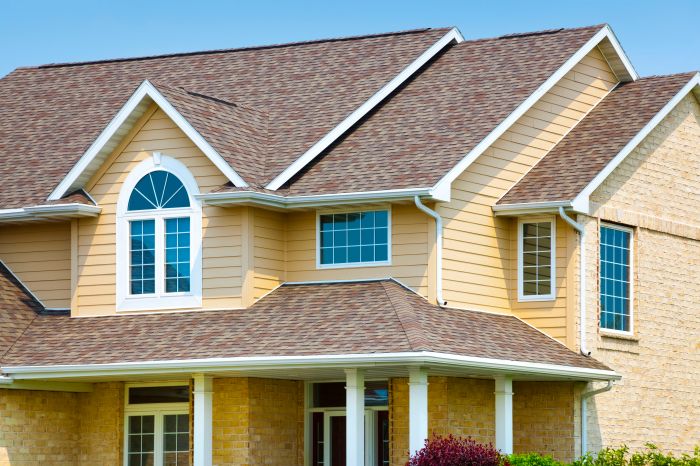
When it comes to exterior siding design, staying up-to-date with the latest trends can help enhance the overall look of your property. Let’s delve into some of the modern trends shaping the world of exterior siding.
Modern Trends in Exterior Siding Colors
One of the key trends in exterior siding design is the use of bold and vibrant colors. Homeowners are increasingly opting for shades like deep blues, dark greens, and even black to make a statement with their siding.
Popularity of Sustainable Siding Materials
Sustainable siding materials such as reclaimed wood, fiber cement, and metal are gaining popularity due to their eco-friendly nature. Not only do these materials reduce environmental impact, but they also add a unique touch to the exterior of a home.
Innovative Textures and Patterns
Contemporary siding design is all about incorporating innovative textures and patterns to create visual interest. From geometric shapes to textured finishes, modern siding options offer a wide range of choices for homeowners looking to add dimension to their homes.
Mixed Materials in Siding Design
An emerging trend in exterior siding design is the use of mixed materials to achieve a dynamic and eye-catching look. Combining materials like wood, metal, and stone can create a visually appealing contrast that adds character to a home’s exterior.
Final Review
As we conclude our exploration of exterior siding materials, it’s clear that the choices available cater to different preferences and practical needs. Whether you prioritize durability, aesthetics, or energy efficiency, there’s a siding material out there for you. Making an informed decision can transform not just the appearance but also the performance of your home.
FAQ Compilation
What are the most durable exterior siding materials?
While all siding materials have their pros and cons, fiber cement and engineered wood are known for their exceptional durability and resistance to elements.
How do I choose the right siding material for a humid climate?
In humid climates, materials like vinyl and fiber cement are recommended due to their moisture resistance and low maintenance requirements.
Is stone siding practical for all types of homes?
Stone siding offers a unique aesthetic appeal but can be costly and heavy. It’s best suited for homes where the design and budget allow for its installation.