Exploring the World of Gutter Leaf Guards
Embark on a journey through the realm of gutter leaf guards, essential components in maintaining a functional gutter system. Discover the different types, benefits, and maintenance tips that can elevate your home’s protection against clogging and water damage.
Delve deeper into the intricacies of gutter leaf guards to enhance your understanding of their significance in safeguarding your property.
Definition of Gutter Leaf Guard
A gutter leaf guard is a protective device installed in a gutter system to prevent leaves, debris, and other objects from clogging the gutters. It helps in ensuring smooth water flow and preventing water damage to the property.
Types of Gutter Leaf Guards
- Mesh Screens: These guards are made of a fine mesh material that allows water to flow through while blocking leaves and debris.
- Reverse Curve Systems: These systems use the principle of water adhesion to direct rainwater into the gutter while preventing leaves from entering.
- Bottle Brush Guards: These guards consist of bristles that allow water to flow through while trapping leaves and debris on top.
- Perforated Guards: These guards have small holes that allow water to flow through while blocking larger debris from entering the gutter.
Benefits of Gutter Leaf Guards
- Prevent Clogging: By keeping leaves and debris out of the gutters, leaf guards help prevent clogs that can lead to water damage.
- Reduce Maintenance: With fewer clogs, the need for gutter cleaning and maintenance is reduced, saving time and effort.
- Protect Property: By ensuring proper water drainage, gutter leaf guards help prevent water damage to the roof, walls, and foundation of the property.
Benefits of Using Gutter Leaf Guards
Installing gutter leaf guards comes with a range of advantages that can make maintaining your gutter system much easier and more effective. These benefits include:
Reduced Maintenance Requirements
- Prevents debris buildup: Gutter leaf guards act as a barrier, stopping leaves, twigs, and other debris from clogging your gutters. This reduces the frequency of gutter cleaning needed.
- Minimizes blockages: By keeping out large debris, gutter leaf guards help prevent blockages that can lead to water overflow and potential damage to your home’s foundation.
- Less frequent cleanings: With gutter leaf guards in place, you’ll likely need to clean your gutters less often, saving you time and effort.
Extended Gutter Lifespan
- Protection from rust and corrosion: By preventing water buildup and reducing the risk of blockages, gutter leaf guards can help protect your gutters from rust and corrosion, extending their lifespan.
- Preserves gutter integrity: The reduced weight of debris in gutters and the prevention of blockages can help maintain the structural integrity of your gutter system over time.
- Less frequent repairs: With fewer clogs and reduced stress on your gutters, you’ll likely experience fewer issues that require repairs, saving you money in the long run.
Types of Gutter Leaf Guards
When it comes to gutter leaf guards, there are various types available on the market, each with its unique design and material. Understanding the differences between these types can help you choose the right one for your home.
Materials Used in Manufacturing Gutter Leaf Guards
There are different materials used in manufacturing gutter leaf guards, including:
- Aluminum: Lightweight and durable, aluminum gutter guards are corrosion-resistant and suitable for all weather conditions.
- Plastic: Affordable and easy to install, plastic gutter guards are ideal for DIY projects but may not be as durable as other materials.
- Stainless Steel: Known for its strength and longevity, stainless steel gutter guards are a premium option that offers excellent protection against debris.
Design Differences Between Gutter Leaf Guards
The design of gutter leaf guards can vary significantly, with some of the most common types being:
- Mesh Guards: Made of metal or plastic, mesh guards feature small holes that allow water to flow through while blocking debris.
- Bottle Brush Guards: Consisting of bristles inserted into the gutter, bottle brush guards trap leaves and debris while allowing water to pass through.
- Foam Guards: Foam guards fit inside the gutter and prevent debris from entering while allowing water to flow freely.
- Reverse Curve Guards: Reverse curve guards are designed to direct water into the gutter while keeping debris out, making them an effective solution for leaf protection.
Installation Process for Each Type of Gutter Leaf Guard
The installation process for gutter leaf guards can vary depending on the type you choose. Here is a general overview of the installation process for each type:
- Mesh Guards: Mesh guards are typically attached to the top of the gutter using clips or screws.
- Bottle Brush Guards: Bottle brush guards are placed inside the gutter and can be trimmed to fit the length of the gutter.
- Foam Guards: Foam guards are inserted into the gutter and can be secured in place with adhesive or fasteners.
- Reverse Curve Guards: Reverse curve guards are usually installed under the shingles of the roof and attached to the gutter for a secure fit.
Maintenance Tips for Gutter Leaf Guards
Regular maintenance of gutter leaf guards is essential to ensure they function effectively and prevent clogs. Here are some tips to help you keep your gutter leaf guards in top condition:
Cleaning Gutter Leaf Guards
- Remove any debris or leaves trapped in the gutter leaf guards using a garden hose or leaf blower.
- Check for any buildup of dirt or grime and scrub gently with a brush if needed.
- Inspect the downspouts to ensure they are clear of any blockages that could impede water flow.
Frequency of Inspection and Maintenance
- Inspect your gutter leaf guards at least twice a year, ideally in the spring and fall, to ensure they are in good condition.
- After heavy storms or periods of intense leaf fall, check the gutter leaf guards for any signs of damage or clogging.
- Regularly monitor the performance of your gutter leaf guards to catch any issues early on.
Repairing or Replacing Damaged Gutter Leaf Guards
- If you notice any cracks, holes, or loose sections in the gutter leaf guards, repair them promptly to prevent further damage.
- Consider replacing damaged gutter leaf guards with new ones if repairs are no longer effective.
- Consult a professional if you are unsure about how to repair or replace damaged gutter leaf guards.
Closing Notes
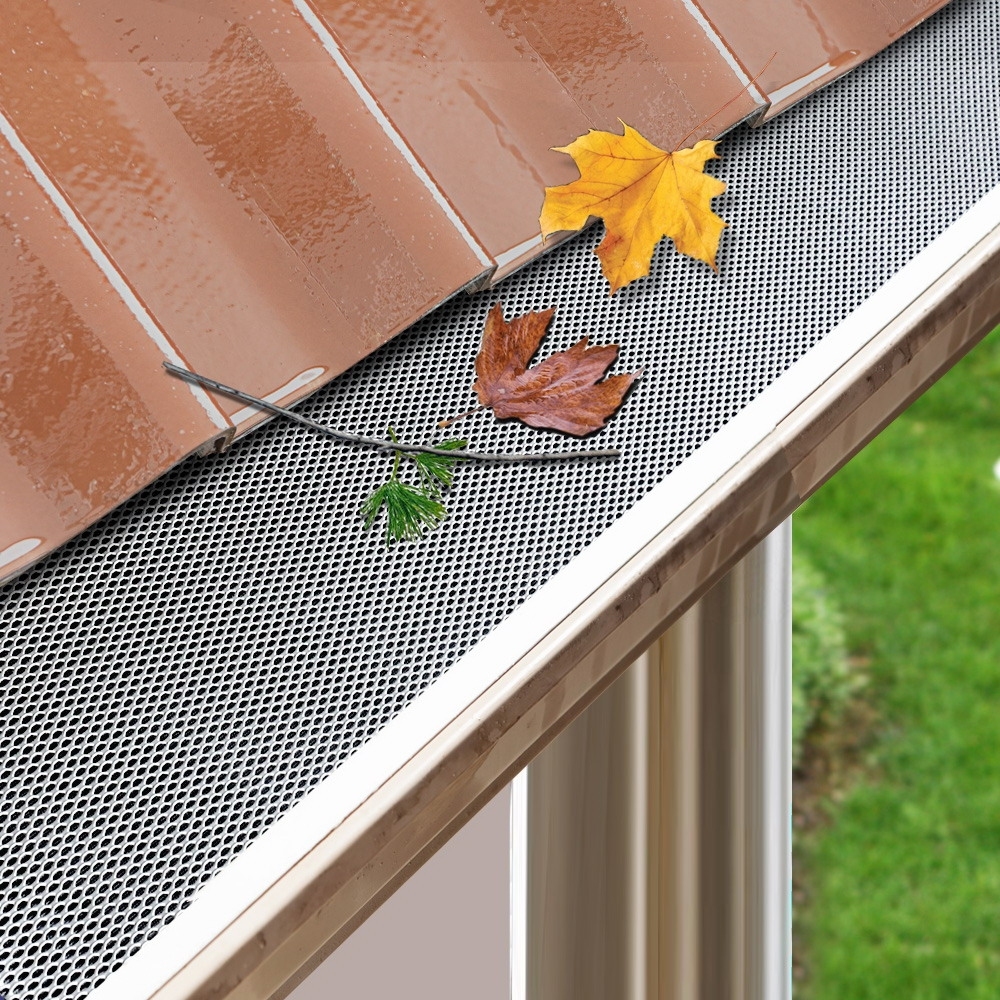
In conclusion, gutter leaf guards serve as invaluable assets in preserving the integrity of your gutters and minimizing maintenance efforts. By implementing these guards, you can ensure a prolonged lifespan for your gutter system and a hassle-free experience in safeguarding your home.
Questions and Answers
How do gutter leaf guards prevent clogging?
Gutter leaf guards act as barriers to leaves and debris, allowing only water to flow through the gutters and preventing blockages.
Are gutter leaf guards difficult to install?
Installation difficulty varies depending on the type of gutter leaf guard. It is recommended to follow manufacturer instructions or consult a professional for proper installation.
How often should gutter leaf guards be inspected?
Regular inspections every 6 months are ideal to ensure gutter leaf guards are functioning effectively and not damaged.
Can damaged gutter leaf guards be repaired?
Minor damages like small tears can often be repaired with patches or sealants. For extensive damage, it may be necessary to replace the gutter leaf guard.