Enhancing Your Home: The Importance of Sealing Home Exteriors
As the focus shifts towards home sealed exteriors, readers are invited into a realm of knowledge that ensures an engaging and informative experience. From energy efficiency to cost savings, this topic delves into the core of enhancing your home.
Exploring traditional and modern sealing methods, this discussion aims to provide a comprehensive understanding of how to protect your home from the elements.
Importance of Sealing Home Exteriors
Sealing the exteriors of a home is crucial for maintaining the integrity and efficiency of the property. By ensuring that the outer walls, windows, doors, and other exterior components are properly sealed, homeowners can benefit in various ways.
Energy Efficiency Benefits
Properly sealed home exteriors play a key role in improving energy efficiency. When there are no gaps or leaks in the exterior structure, the home can better retain heat in the winter and cool air in the summer. This means less reliance on heating and cooling systems, leading to lower energy consumption and reduced utility bills.
Cost Savings
- Reduced Energy Costs: With sealed exteriors, homeowners can significantly lower their energy bills by minimizing heat loss or gain through leaks or gaps.
- Preventive Maintenance: Sealing the exteriors can also help prevent moisture from seeping into the home, reducing the risk of water damage and costly repairs in the future.
- Increased Property Value: A well-maintained and properly sealed home exterior can enhance the overall value of the property, providing a higher return on investment in the long run.
Common Methods for Sealing Home Exteriors
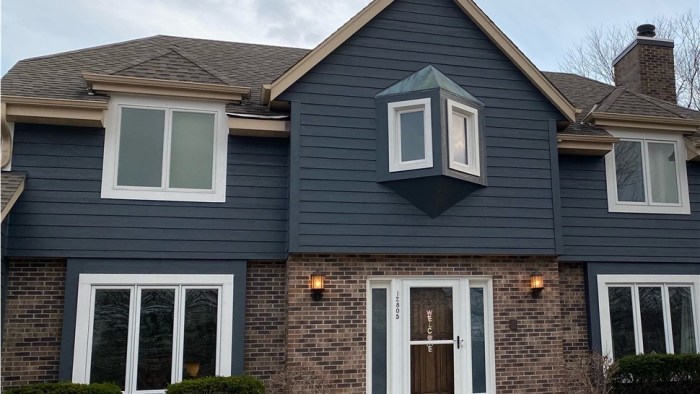
When it comes to sealing home exteriors, there are various traditional and modern methods that can be used to ensure a well-protected living space.
Traditional Methods
- Using caulking: Caulk is a common material used to seal gaps and cracks in walls, windows, and doors to prevent air and water infiltration.
- Weatherstripping: This involves applying strips of material around windows and doors to create a tight seal and prevent drafts.
- Applying sealants: Sealants like silicone or polyurethane are used to protect exterior surfaces from moisture and UV damage.
Modern Techniques and Materials
- Spray foam insulation: This method involves spraying a polyurethane foam to fill gaps and cavities, providing an airtight seal.
- Exterior waterproofing membranes: These membranes are applied to the exterior walls to protect against water intrusion and damage.
- Nano-coatings: Nano-technology is used to create coatings that repel water, dirt, and UV rays, enhancing the durability of exterior surfaces.
Comparison of Sealing Approaches
- Effectiveness: Modern techniques like spray foam insulation and exterior waterproofing membranes tend to be more effective in sealing home exteriors compared to traditional methods like caulking and weatherstripping.
- Durability: While traditional methods are cost-effective, modern materials such as nano-coatings offer greater durability and long-term protection against the elements.
- Cost: Traditional methods are generally more budget-friendly upfront, but modern techniques may provide better value in the long run due to their enhanced performance and longevity.
Benefits of Sealed Home Exteriors
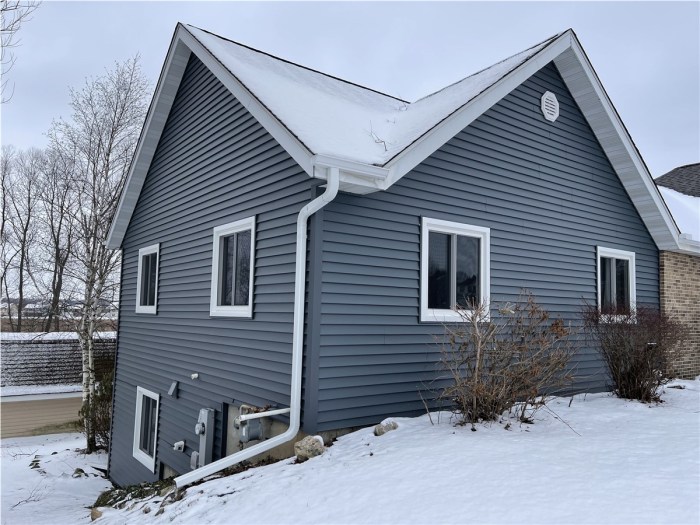
Sealing home exteriors comes with a range of benefits that can enhance the overall quality of living and sustainability of a home.
Enhanced Home Insulation
Sealed home exteriors play a crucial role in enhancing the insulation of a home. By preventing air leaks and drafts, sealed exteriors help maintain a consistent indoor temperature, reducing the reliance on heating and cooling systems. This not only improves the comfort of living spaces but also leads to significant energy savings.
Impact on Indoor Air Quality
Sealed home exteriors have a positive impact on indoor air quality by keeping out pollutants, allergens, and outdoor contaminants. By creating a barrier against external elements, sealed exteriors help maintain a cleaner and healthier indoor environment, especially for individuals with respiratory conditions or allergies.
Contribution to Home Longevity
Properly sealed home exteriors can contribute to the longevity of a home by protecting it from moisture damage, mold growth, and structural deterioration. By preventing water infiltration and reducing the risk of moisture-related issues, sealed exteriors help preserve the structural integrity of a home over time, potentially extending its lifespan.
Potential Issues with Unsealed Home Exteriors
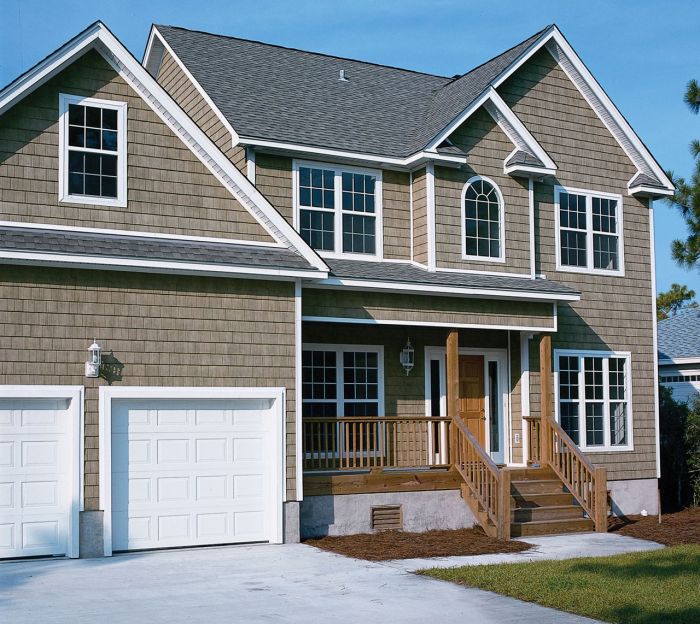
Leaving home exteriors unsealed can lead to a range of risks and problems that can impact the overall structure and integrity of a house.
Risk of Water Damage
One of the most common issues with unsealed home exteriors is the risk of water damage. Without proper sealing, water can seep into the walls, causing mold, mildew, and rot. This can weaken the structure of the home over time.
Pest Infestations
Poorly sealed exteriors can also provide easy access for pests such as termites, ants, and rodents to enter the home. These pests can cause damage to the building materials and pose health risks to the occupants.
Energy Loss
Unsealed home exteriors can result in energy loss through drafts and leaks, leading to higher utility bills. The lack of insulation from proper sealing can make it harder to regulate the temperature inside the home.
Epilogue
In conclusion, sealing your home’s exteriors not only improves insulation and indoor air quality but also contributes to the longevity of your dwelling. By addressing potential issues with unsealed exteriors, you can safeguard the structural integrity of your home for years to come.
Commonly Asked Questions
How often should I seal my home exteriors?
It is recommended to inspect and reseal your home exteriors every 1-2 years to maintain their effectiveness.
Can I seal my home exteriors by myself?
While it is possible for DIY enthusiasts to seal their home exteriors, it is advisable to consult professionals for optimal results.
What are the signs that my home exteriors need resealing?
Cracks, peeling paint, and increased energy bills can indicate that your home exteriors require resealing to maintain efficiency.