Exploring the World of New Siding: A Comprehensive Guide
Delve into the realm of new siding as we uncover the various materials, benefits, color selections, installation process, and maintenance tips. Brace yourself for a journey filled with valuable insights and expert advice on enhancing your home’s exterior with new siding.
Types of New Siding Materials
When it comes to choosing new siding for your home, there are several different materials to consider. Each type of siding material has its own unique characteristics, benefits, and maintenance requirements. Let’s take a closer look at some of the most popular options available in the market.
Vinyl Siding
Vinyl siding is one of the most popular choices for homeowners due to its affordability and low maintenance requirements. It is durable, resistant to rot and insects, and comes in a wide variety of colors and styles. However, vinyl siding can crack or fade over time and may not be as environmentally friendly as other options.
Wood Siding
Wood siding has a timeless and natural look that many homeowners find appealing. It can be painted or stained to match your desired aesthetic and is biodegradable, making it an eco-friendly choice. However, wood siding requires regular maintenance, including painting or staining, to prevent rot, mold, and insect damage.
Fiber Cement Siding
Fiber cement siding is a durable and low-maintenance option that is resistant to fire, insects, and rot. It can mimic the look of wood or stucco while providing better durability and longevity. Fiber cement siding is heavier and more difficult to install than other options, but it offers excellent protection against the elements.
Metal Siding
Metal siding, such as aluminum or steel, is known for its strength, durability, and resistance to fire, rot, and insects. It is available in a variety of styles and colors, making it a versatile option for homeowners. However, metal siding can dent or scratch easily and may require repainting over time to maintain its appearance.
Benefits of Installing New Siding
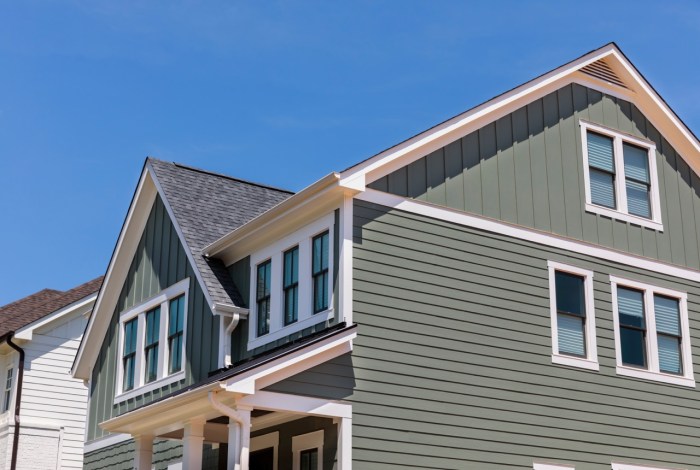
Installing new siding for your home comes with a range of benefits that can enhance both the appearance and functionality of your property. Not only does it improve the overall look of your home, but it also offers several advantages that can make a significant impact on your living experience.
Improved Energy Efficiency
One of the key advantages of upgrading to new siding is the improvement in energy efficiency it brings. Modern siding materials are designed to provide better insulation, helping to regulate indoor temperatures more effectively. This can lead to reduced energy consumption and lower utility bills, saving you money in the long run.
Enhanced Property Value
Another significant benefit of installing new siding is the positive impact it can have on your property value. A well-maintained exterior with new siding can increase the curb appeal of your home, making it more attractive to potential buyers. This can result in a higher resale value and a quicker sale if you ever decide to put your home on the market.
Choosing the Right Color and Style
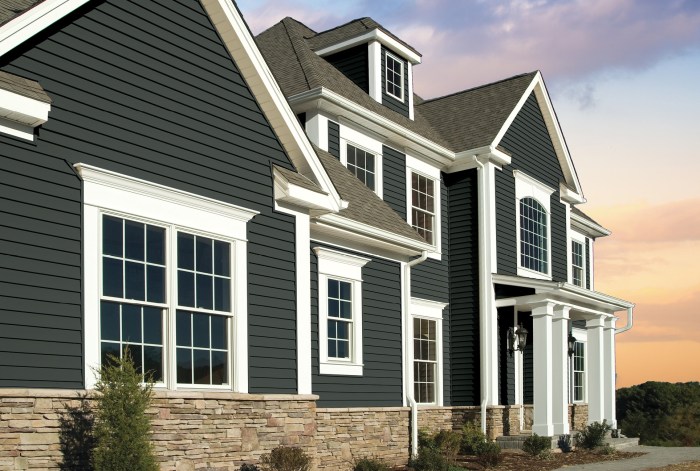
When it comes to selecting the perfect color and style for your new siding, there are a few key factors to consider to ensure a cohesive and visually appealing exterior for your home.To begin with, it’s essential to take into account the architectural style of your home.
Different architectural styles lend themselves better to certain siding colors and styles. For example, a modern home may look best with sleek, neutral-colored siding, while a Victorian-style home could benefit from more ornate and colorful options.When choosing siding colors, it’s also crucial to consider how they will coordinate with other exterior elements such as the roof and trim.
Harmonizing the colors of these components can create a unified look and enhance the overall curb appeal of your home.Keeping up with popular trends in siding colors and styles can also help you make a decision. Trends like earthy tones, bold colors, and textured finishes can give your home a fresh and modern look that will stand out in the neighborhood.
Coordinating Siding Colors with Exterior Elements
When selecting siding colors, make sure to consider how they will complement the color of your roof and trim. For example, if you have a dark roof, lighter siding can create a striking contrast. On the other hand, matching the siding color to the trim can create a more cohesive and traditional appearance.
- Consider the overall color scheme of your neighborhood to ensure your home fits in while still standing out.
- Take into account the landscaping and natural surroundings of your home when choosing siding colors to create a harmonious look.
- Remember that lighter colors can make a home appear larger, while darker colors can add depth and coziness.
Popular Trends in Siding Colors and Styles
Staying updated on popular trends in siding colors and styles can help you choose a look that is both timeless and trendy. Some current trends include:
- Earthy Tones: Shades of green, brown, and beige that mimic natural elements like wood and stone.
- Bold Colors: Vibrant hues like blues, reds, and greens that make a statement and add personality to your home.
- Textured Finishes: Siding materials with textured finishes that add depth and visual interest to your home’s exterior.
Installation Process for New Siding
When it comes to installing new siding on a home, there are several important steps to follow to ensure a successful outcome. Proper insulation and weatherproofing are crucial aspects of the installation process that should not be overlooked. While some homeowners may consider DIY siding installation, it’s essential to weigh the pros and cons before deciding whether to tackle the project yourself or hire professionals.
Steps Involved in Installing New Siding
- 1. Preparation: The first step involves preparing the exterior of the home by removing the old siding, repairing any damaged areas, and ensuring a clean surface for the new siding installation.
- 2. Insulation: Proper insulation is key to improving energy efficiency and protecting the home from outdoor elements. Insulation should be installed before the new siding to maximize its effectiveness.
- 3. Weatherproofing: Weatherproofing involves ensuring that the siding is properly sealed to prevent moisture infiltration and protect against the elements. This step is essential for the long-term durability of the siding.
- 4. Siding Installation: The new siding is then installed following manufacturer guidelines and industry best practices to ensure a secure and aesthetically pleasing finish.
- 5. Finishing Touches: Once the siding is installed, finishing touches such as trim, caulking, and painting can be added to complete the look and enhance the overall appearance of the home.
Importance of Proper Insulation and Weatherproofing
Proper insulation and weatherproofing play a significant role in the performance and longevity of new siding. Insulation helps regulate indoor temperature, reduce energy costs, and improve overall comfort. Weatherproofing protects the home from moisture damage, mold growth, and structural issues caused by exposure to the elements.
DIY vs. Professional Installation
While some homeowners may have the skills and tools to tackle siding installation themselves, it’s important to consider the complexity of the project and the potential risks involved. Professional installers have the expertise, experience, and equipment to ensure a high-quality installation that meets industry standards.
Hiring professionals can also save time and avoid costly mistakes that may arise from DIY attempts.
Maintenance and Care Tips
Proper maintenance is key to ensuring the longevity and aesthetic appeal of your new siding. By following these care tips, you can protect your investment and keep your home looking beautiful for years to come.
Cleaning and Preserving Different Siding Materials
- For vinyl siding, use a mixture of water and mild soap to gently scrub away dirt and grime. Avoid using harsh chemicals that could damage the vinyl surface.
- Wood siding requires regular painting or staining to maintain its appearance and protect it from the elements. Inspect for any signs of rot or decay and address them promptly.
- Fiber cement siding can be cleaned with a mixture of water and mild detergent. Avoid using abrasive materials that could scratch the surface.
Addressing Common Issues
- Mold and Mildew:To prevent mold and mildew growth, regularly inspect your siding for any signs of moisture buildup. Clean the affected areas with a solution of water and bleach to kill the spores.
- Warping:Warping can occur due to prolonged exposure to extreme weather conditions. Ensure proper installation and ventilation to prevent warping. If you notice any warping, contact a professional for repairs.
Ending Remarks
As we conclude our exploration of new siding, remember that the key to a beautiful and durable exterior lies in the choices you make. Whether you opt for vinyl, wood, fiber cement, or metal siding, ensure proper maintenance to preserve its charm and functionality for years to come.
Answers to Common Questions
What are the most durable siding materials?
Vinyl and fiber cement are known for their durability and low maintenance requirements compared to wood and metal siding options.
How can new siding impact energy efficiency?
New siding can enhance insulation, reducing energy costs by maintaining a consistent indoor temperature.
What are some popular trends in siding colors and styles?
Currently, neutral tones like grays and blues are trending, along with vertical siding styles for a modern look.
Is DIY siding installation recommended?
While some may attempt DIY siding installation, it’s often best to hire professionals to ensure proper insulation and weatherproofing.
How can I address common siding issues like mold or warping?
Regular cleaning, proper ventilation, and addressing moisture issues promptly can help prevent and treat common siding problems.