Exploring the World of Residential Siding
Diving into the realm of residential siding, this article aims to shed light on the various aspects of this essential home feature. From its benefits to installation and maintenance, we’ve got you covered with all you need to know.
As we delve deeper into the world of residential siding, you’ll discover valuable insights that can help enhance your property’s aesthetics and functionality.
Benefits of Residential Siding

Residential siding offers a multitude of benefits for homeowners, ranging from improved energy efficiency to enhanced curb appeal and property value.
Energy Efficiency
Residential siding acts as a protective barrier for your home, helping to regulate indoor temperatures and reduce energy consumption. By insulating the exterior walls, siding can prevent heat loss in the winter and keep cool air inside during the summer months.
This results in lower utility bills and a more comfortable living environment for you and your family.
Curb Appeal and Property Value
The exterior of your home plays a significant role in its overall appearance and value. Residential siding comes in a variety of colors, styles, and materials, allowing you to customize the look of your property to suit your preferences. Additionally, well-maintained siding can boost curb appeal, making your home more attractive to potential buyers and increasing its resale value.
Investing in quality siding can provide a lasting impact on the aesthetics and value of your home.
Types of Residential Siding Materials
When it comes to residential siding, there are various materials to choose from based on your preferences and needs. Each type of siding material has its own unique characteristics, durability, and maintenance requirements.
Vinyl Siding
Vinyl siding is a popular choice for many homeowners due to its affordability and low maintenance. It is available in a wide range of colors and styles, making it versatile for different design preferences. Vinyl siding is resistant to moisture, rot, and insect damage, making it a durable option for residential properties.
Wood Siding
Wood siding provides a natural and timeless look to a home. It is available in different types of wood such as cedar, pine, and redwood, each offering a distinct aesthetic appeal. Wood siding requires regular maintenance such as painting or staining to protect it from moisture and insect damage.
While wood siding is durable, it may be more prone to rot and decay over time compared to other materials.
Fiber Cement Siding
Fiber cement siding is a durable and low-maintenance option for residential properties. It is resistant to fire, rot, and insect damage, making it a long-lasting choice for homeowners. Fiber cement siding is available in a variety of textures and styles, including options that mimic the look of wood or stucco.
While it may require repainting over time, fiber cement siding is known for its durability and ability to withstand harsh weather conditions.
Aluminum Siding
Aluminum siding is a lightweight and cost-effective option for residential properties. It is resistant to fire, rot, and insect damage, making it a durable choice for homeowners. Aluminum siding is available in a range of colors and can be painted to suit different design preferences.
While aluminum siding may dent more easily than other materials, it is easy to clean and requires minimal maintenance.
Installation Process of Residential Siding
When it comes to installing residential siding, it is crucial to follow a systematic approach to ensure a seamless and professional finish. Proper preparation before the installation is key to the success of the project.
Preparation Before Siding Installation
- Inspect the exterior walls: Before starting the installation, carefully examine the exterior walls for any signs of damage or decay. Addressing these issues beforehand will prevent further damage once the siding is installed.
- Clean the surface: Make sure the surface where the siding will be installed is clean and free of any debris, dust, or mold. This will help the siding adhere properly and prevent any issues in the future.
- Remove old siding: If there is existing siding on the walls, it must be removed carefully to avoid damaging the underlying structure. This step is essential for a smooth installation of new siding.
Steps Involved in Siding Installation
- Measure and cut the siding: Accurate measurements are crucial to ensure a perfect fit. Cut the siding panels according to the measurements, taking into account any corners or obstacles.
- Install the starter strip: Begin by installing the starter strip at the bottom of the wall to provide a level base for the siding panels.
- Attach the siding panels: Starting from one end, attach the siding panels one by one, ensuring they are level and properly aligned. Use nails or screws to secure the panels in place.
- Finish with trim and accessories: Complete the installation by adding trim pieces and accessories to give the siding a polished look. Pay attention to details such as corners and edges for a professional finish.
Maintenance and Care of Residential Siding
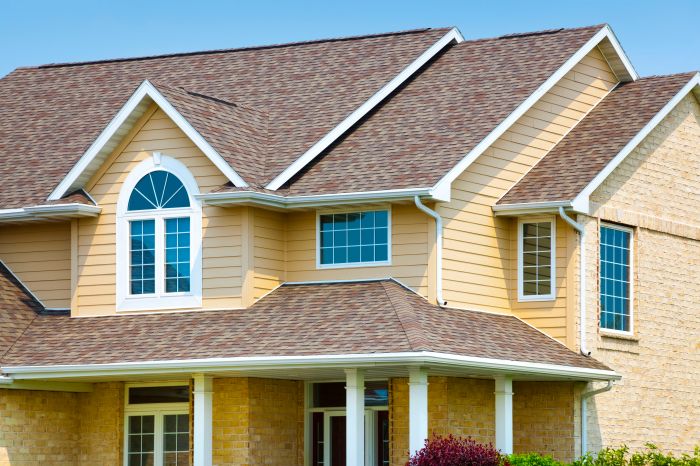
Proper maintenance and care of residential siding is essential to ensure its longevity and keep your home looking its best. By following these guidelines, you can preserve the beauty and functionality of your siding for years to come.
Cleaning Different Types of Siding
- Vinyl Siding: Use a mixture of water and mild detergent to clean vinyl siding. Avoid using harsh chemicals or abrasive cleaners that can damage the surface.
- Wood Siding: Regularly inspect wood siding for mold, mildew, or rot. Clean with a solution of water and bleach to remove any buildup. Consider staining or sealing wood siding every few years to protect it from the elements.
- Fiber Cement Siding: Use a soft brush or cloth to clean fiber cement siding. Avoid high-pressure washing, as it can damage the surface. Inspect for any cracks or chips and repair them promptly.
Common Issues and Solutions
- Mold and Mildew: To prevent mold and mildew growth, keep siding clean and dry. Use a mixture of water and bleach to remove any existing mold or mildew.
- Peeling Paint: If you have painted siding, peeling paint can be a common issue. Scrape off any loose paint, sand the area, and repaint to protect the siding from further damage.
- Cracks and Holes: Inspect siding regularly for cracks or holes that can allow moisture to seep in. Seal any gaps with caulk or replace damaged sections to prevent water damage.
Preserving Longevity of Residential Siding
- Regular Inspections: Inspect siding for damage, cracks, or signs of wear at least once a year. Address any issues promptly to prevent further damage.
- Trim Trees and Shrubs: Keep trees and shrubs trimmed away from siding to prevent damage from branches rubbing against the surface or falling debris.
- Professional Maintenance: Consider hiring a professional to clean, inspect, and maintain your siding every few years to ensure it remains in top condition.
Design Trends in Residential Siding
When it comes to residential siding, design trends play a significant role in enhancing the overall look and feel of a home. Let’s explore some of the current trends in residential siding designs and colors that are shaping the architectural landscape of homes.
Modern Color Palettes
In recent years, there has been a shift towards modern color palettes for residential siding. Homeowners are opting for sleek and contemporary colors such as shades of gray, black, and even bold blues. These modern colors can give a home a fresh and updated look, adding curb appeal and a touch of sophistication.
Mixing Materials
An innovative way to enhance the aesthetic appeal of a home is by mixing different siding materials. Combining materials like wood, vinyl, and fiber cement can create a unique and visually interesting exterior. For example, using wood accents with vinyl siding can add warmth and texture to a modern home design.
Vertical Siding
Vertical siding has gained popularity as a design trend for residential homes. This style creates a visually striking look that can help elongate the appearance of a home, making it appear taller and more spacious. Vertical siding can be used in combination with other siding styles to create a dynamic and contemporary facade.
Final Summary
In conclusion, residential siding plays a crucial role in not just protecting your home, but also elevating its visual appeal. By understanding the different types, installation processes, and maintenance tips, you can ensure your siding remains in top-notch condition for years to come.
Clarifying Questions
What are the benefits of residential siding?
Residential siding offers protection against the elements, enhances energy efficiency, and boosts curb appeal and property value.
What are the common types of residential siding materials?
Common materials include vinyl, wood, fiber cement, and metal. Each has unique characteristics in terms of durability and maintenance requirements.
How can I maintain residential siding effectively?
Regular cleaning, inspections for damage, and prompt repairs are key to maintaining residential siding. Follow manufacturer guidelines for specific material care.
What are the current design trends in residential siding?
Current trends include bold colors, mixed materials, and sustainable options. Siding can be used creatively to complement a home’s architectural style.