Exploring the Beauty of White Siding Exterior
Embark on a journey through the world of white siding exterior, where elegance meets functionality in home design. From classic to contemporary styles, white siding offers a timeless appeal that can transform any house into a stunning masterpiece. Let’s dive into the details and discover the endless possibilities that white siding brings to your home’s exterior.
Introduction to White Siding Exterior
White siding is a popular choice for home exteriors due to its timeless and versatile appeal. The crisp, clean look of white siding adds a classic touch to any property, enhancing its curb appeal and overall aesthetic.
Types of White Siding Materials
- Vinyl: Vinyl siding is a cost-effective and low-maintenance option that comes in various shades of white, offering durability and easy installation.
- Fiber Cement: Fiber cement siding provides a realistic wood-like appearance while being resistant to rot, insects, and fire, making it a durable choice for white siding.
- Wood: White wood siding offers a natural and charming look, though it requires more maintenance to prevent discoloration and decay over time.
Benefits of Choosing White Siding
- Timeless Elegance: White siding exudes a timeless elegance that complements a wide range of architectural styles, from traditional to modern.
- Reflective Properties: White siding reflects sunlight, helping to keep the interior of the home cooler during hot summer months and potentially reducing energy costs.
- Design Flexibility: White siding serves as a neutral backdrop, allowing homeowners to easily change the look of their home with different accent colors for doors, shutters, and trim.
Design Options with White Siding
White siding exteriors offer a versatile canvas to create various design styles that can enhance the overall look of your home. From modern to traditional, there are plenty of options to explore when it comes to complementing white siding.When choosing a color palette to work with white siding, consider classic combinations like navy blue, black, or gray for a timeless look.
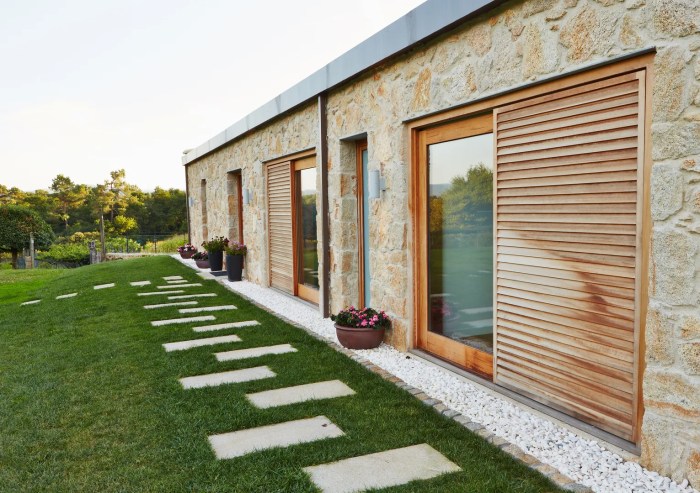
These colors can create a striking contrast against the white backdrop and add depth to your exterior design.Incorporating textures and patterns with white siding can bring visual interest and dimension to your home. Consider adding wood accents or stone elements to create a mix of materials that can elevate the overall aesthetic.White siding can greatly enhance curb appeal by creating a clean and fresh look that is both inviting and elegant.
Pairing it with well-chosen accents and landscaping can further enhance the overall appeal of your home.
Exploring Design Styles
- Modern: Embrace clean lines and minimalist design elements to create a sleek and contemporary look.
- Cottage: Add charming details like window boxes and picket fences for a cozy and inviting feel.
- Colonial: Incorporate traditional architectural features like shutters and columns for a classic and timeless appeal.
Installation and Maintenance of White Siding
When it comes to white siding, proper installation and maintenance are key to ensuring its longevity and aesthetic appeal. Let’s explore the steps involved in installing white siding and discuss some common maintenance practices.
Installation Process
- Prepare the surface: Ensure the surface where the siding will be installed is clean, dry, and free of any debris.
- Measure and cut: Accurately measure the dimensions of the area to be covered and cut the siding panels accordingly.
- Attach the siding: Start from the bottom and work your way up, securing each panel with nails or screws.
- Seal the edges: Use sealant to prevent moisture from seeping behind the siding.
Maintenance Tips
Maintaining white siding is relatively easy, but it does require regular attention to keep it looking its best.
- Regular cleaning: Use a mixture of mild soap and water to clean the siding and remove any dirt or grime.
- Prevent mold and mildew: Keep plants and bushes trimmed away from the siding to prevent mold growth.
- Inspect for damage: Periodically check for any signs of damage, such as cracks or warping, and repair them promptly.
Cleaning and Preservation
- Use a pressure washer: A pressure washer can be an effective tool for cleaning white siding, but be sure to use it on a low setting to avoid damage.
- Vinegar solution: For tougher stains, a mixture of vinegar and water can be used to clean the siding effectively.
- Regular inspections: Inspect the siding at least once a year for any signs of discoloration or damage that may require attention.
Addressing Common Issues
- Discoloration: If the white siding starts to discolor, consider using a specialized cleaning solution or repainting the affected areas.
- Damage repair: For minor damage, such as scratches or dents, you can use a patching compound to fill in the imperfections.
- Professional help: If you encounter more serious issues with your white siding, don’t hesitate to seek the help of a professional contractor.
Environmental Impact of White Siding
White siding materials vary in terms of sustainability, energy efficiency, and overall environmental impact. Choosing the right option can significantly contribute to creating eco-friendly homes.
Sustainability of White Siding Materials
- Vinyl siding: Vinyl siding is a popular choice due to its low maintenance and durability. However, it is not biodegradable and can release toxic chemicals when manufactured or disposed of improperly.
- Fiber cement siding: Made from a combination of cement, sand, and cellulose fibers, fiber cement siding is more sustainable than vinyl. It is durable, fire-resistant, and can be recycled.
- Wood siding: Wood siding can be sourced sustainably from certified forests. It is biodegradable and has a lower carbon footprint compared to other materials. However, maintenance and susceptibility to rot and pests are considerations.
Energy Efficiency of White Siding Options
- Reflective properties: White siding has high solar reflectance, meaning it reflects sunlight and heat away from the house. This can reduce the need for air conditioning in hot climates, leading to energy savings.
- Insulation: Some white siding materials come with built-in insulation, improving the energy efficiency of the home by reducing heat loss in winter and heat gain in summer.
- Sealing: Proper installation of white siding can help seal the home, preventing drafts and reducing energy consumption for heating and cooling.
Choosing Environmentally Friendly White Siding Products
- Look for certifications: Choose white siding products that are certified by reputable organizations for their sustainability and environmental impact.
- Recyclability: Opt for white siding materials that can be recycled at the end of their lifespan to reduce waste and promote a circular economy.
- Longevity: Select white siding options that are durable and long-lasting to minimize the need for frequent replacements, which can be resource-intensive.
Ultimate Conclusion
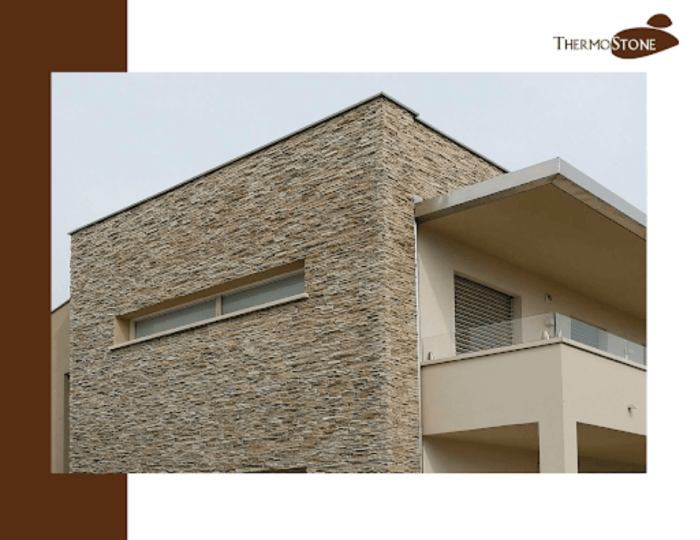
As we conclude our discussion on white siding exterior, it’s evident that this versatile choice not only enhances the aesthetics of your home but also provides durability and energy efficiency. Whether you opt for a sleek modern look or a charming traditional vibe, white siding is a fantastic option to elevate your curb appeal.
Embrace the beauty of white siding and redefine the exterior allure of your home today.
FAQ Overview
Can white siding be painted over?
Yes, white siding can be painted to change its color or refresh its appearance. Make sure to properly clean and prepare the surface before painting.
Is white siding easy to maintain?
White siding is relatively easy to maintain. Regular cleaning and inspections can help prevent issues and prolong its lifespan.
Does white siding increase home value?
White siding can enhance curb appeal and make your home look more attractive, potentially increasing its value in the real estate market.